ΑΥΡΑ
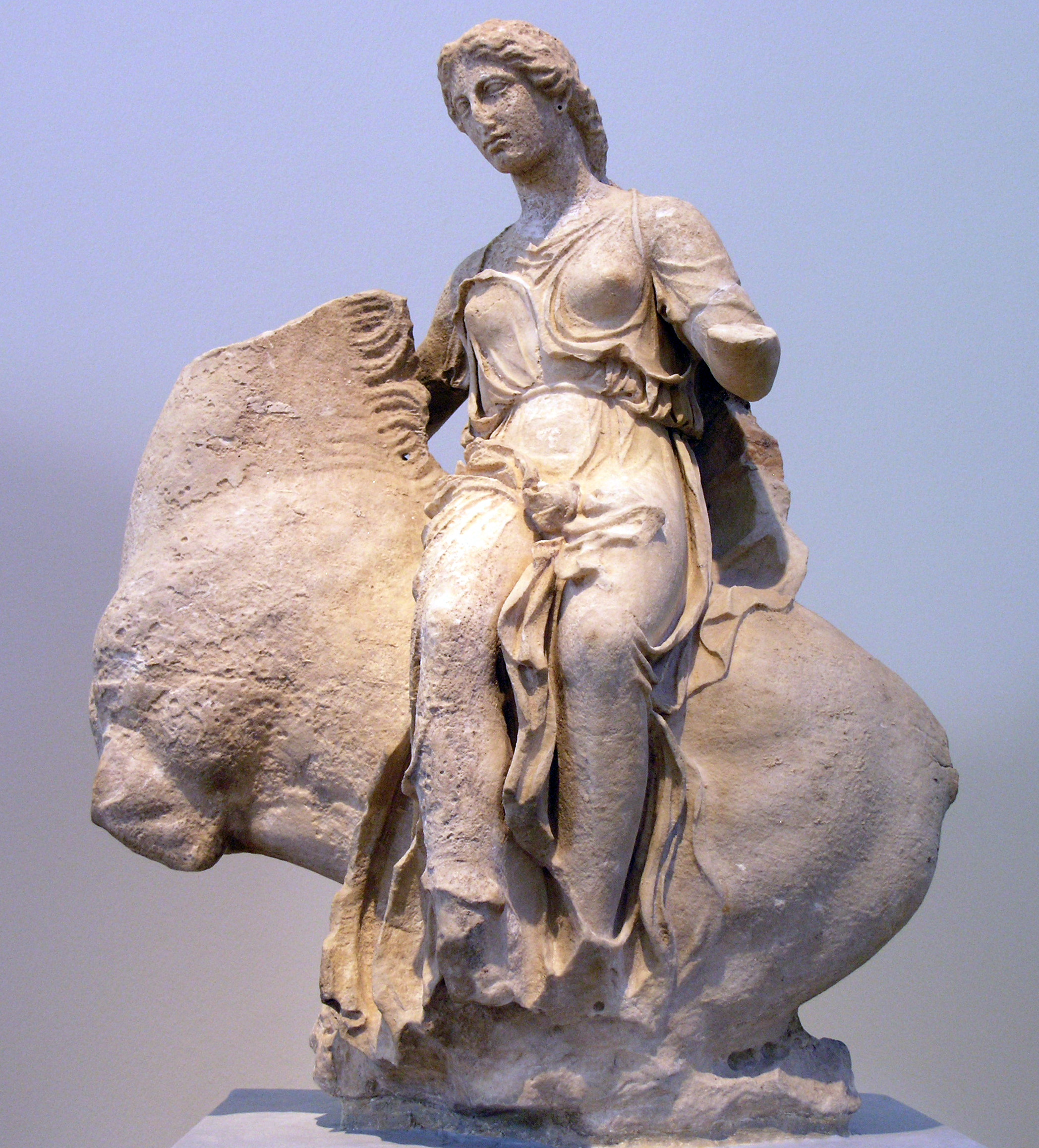
Η λέξη «Αύρα» περιγράφει κυρίως το ελαφρό και δροσερό αεράκι που γίνεται σχεδόν ανεπαίσθητο, όπως η θαλάσσια ή η στεριανή αύρα. Στις απόκρυφες επιστήμες, η αύρα θεωρείται είδος φωτοστέφανου που περιβάλλει ζωντανά ή νεκρά όντα και είναι ορατή μόνο από μυημένους, ενώ μεταφορικά δηλώνει την ατμόσφαιρα ή την εντύπωση που αποπνέει ένα άτομο στο περιβάλλον του. Στην ελληνική μυθολογία, η Αύρα ήταν κόρη της Περίβοιας και του Τιτάνα Λέλαντα, ανήκε στον κύκλο της Άρτεμης και συμμετείχε στα κυνήγια μαζί με τις συντρόφισσές της. Την ερωτεύτηκε ο Διόνυσος, όμως εκείνη τον απέφευγε, ενώ φέρεται να μεσολάβησε η Αφροδίτη ώστε να παραδοθεί στον θεό. Μετά την τραγική αυτή εμπειρία, η Αύρα έπεσε στον ποταμό Σαγγάριο, αλλά ο Δίας την μεταμόρφωσε σε πηγή. Η λέξη είναι ιδιαίτερα προσφιλής στην ποίηση, όπου χρησιμοποιείται για να αποδώσει την τρυφερότητα του αέρα, την ευαισθησία της φύσης ή τη θετική αίσθηση που προκαλεί ένα άτομο στο περιβάλλον του.
«Τη βλέπω -στα μαλλιά σου πνέει- την αύρα.
Είναι βαθιά τα μάτια σου όπως να ’βρα
το δρόμο της ζωής μου, τον Απρίλη.»
Κ. Καρυωτάκης, «Χαρά»
[Πηγή: https://www.greek-language.gr/ ]
AURA
The word “Aura” mainly describes the light and cool breeze that becomes almost imperceptible, such as sea or land breeze. In the occult sciences, the aura is considered a kind of halo that surrounds living or dead beings and is visible only to initiates, while metaphorically it denotes the atmosphere or impression that a person exudes in his environment. In Greek mythology, Aura was the daughter of Periboea and the Titan Lelantes, she belonged to the circle of Artemis and participated in the hunts with her companions. Dionysus fell in love with her, but she avoided him, while Aphrodite is said to have intervened so that she surrendered to the god. After this tragic experience, Aura fell into the Sangarios River, but Zeus transformed her into a spring. The word is particularly popular in poetry, where it is used to convey the tenderness of the air, the sensitivity of nature or the positive feeling that a person evokes in their environment.
“I see it —the breeze blows in your hair.
Your eyes are deep as if they found
the path of my life, April.”
K. Karyotakis, “Joy”