ΔΙΟΝ
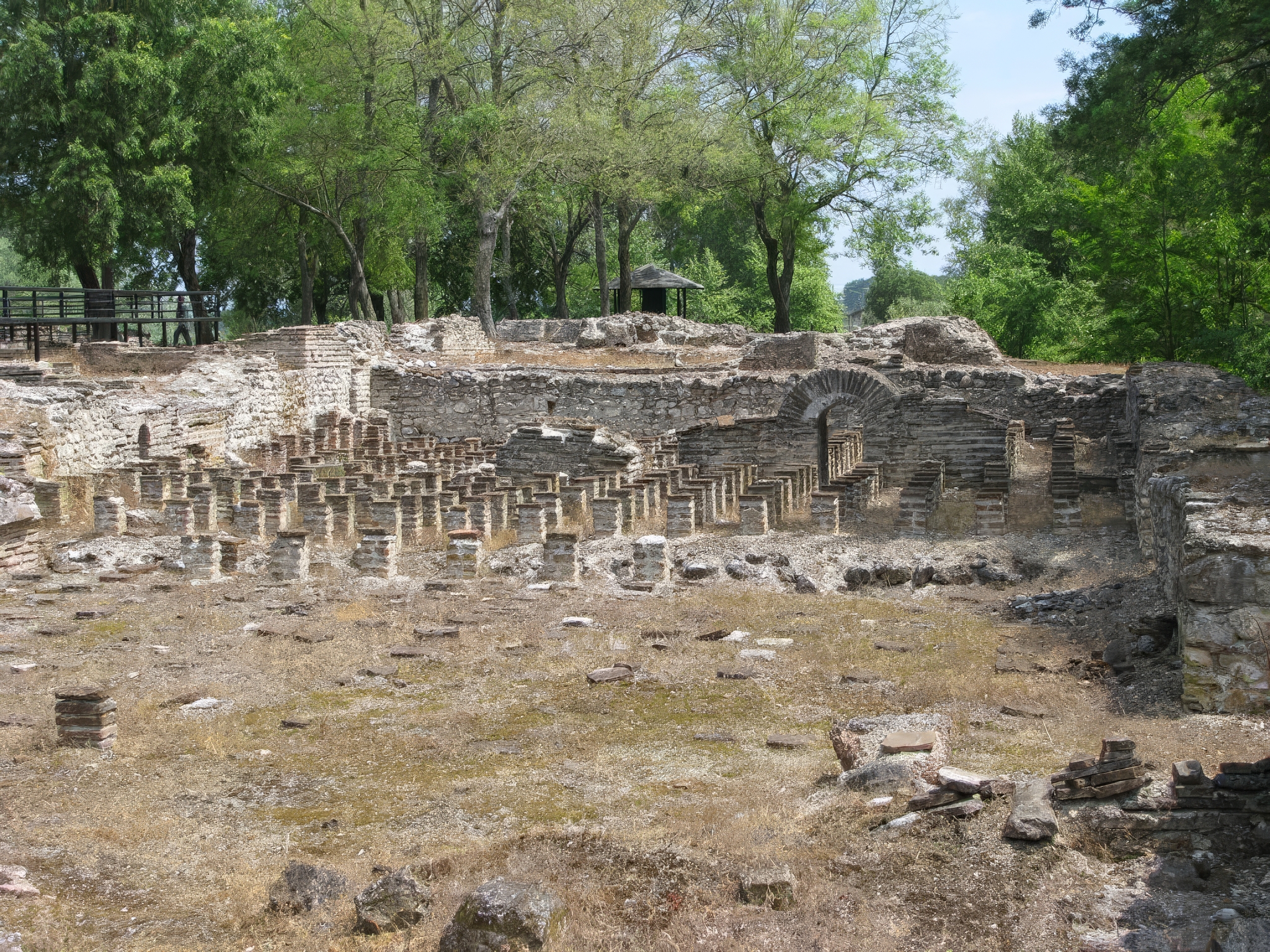
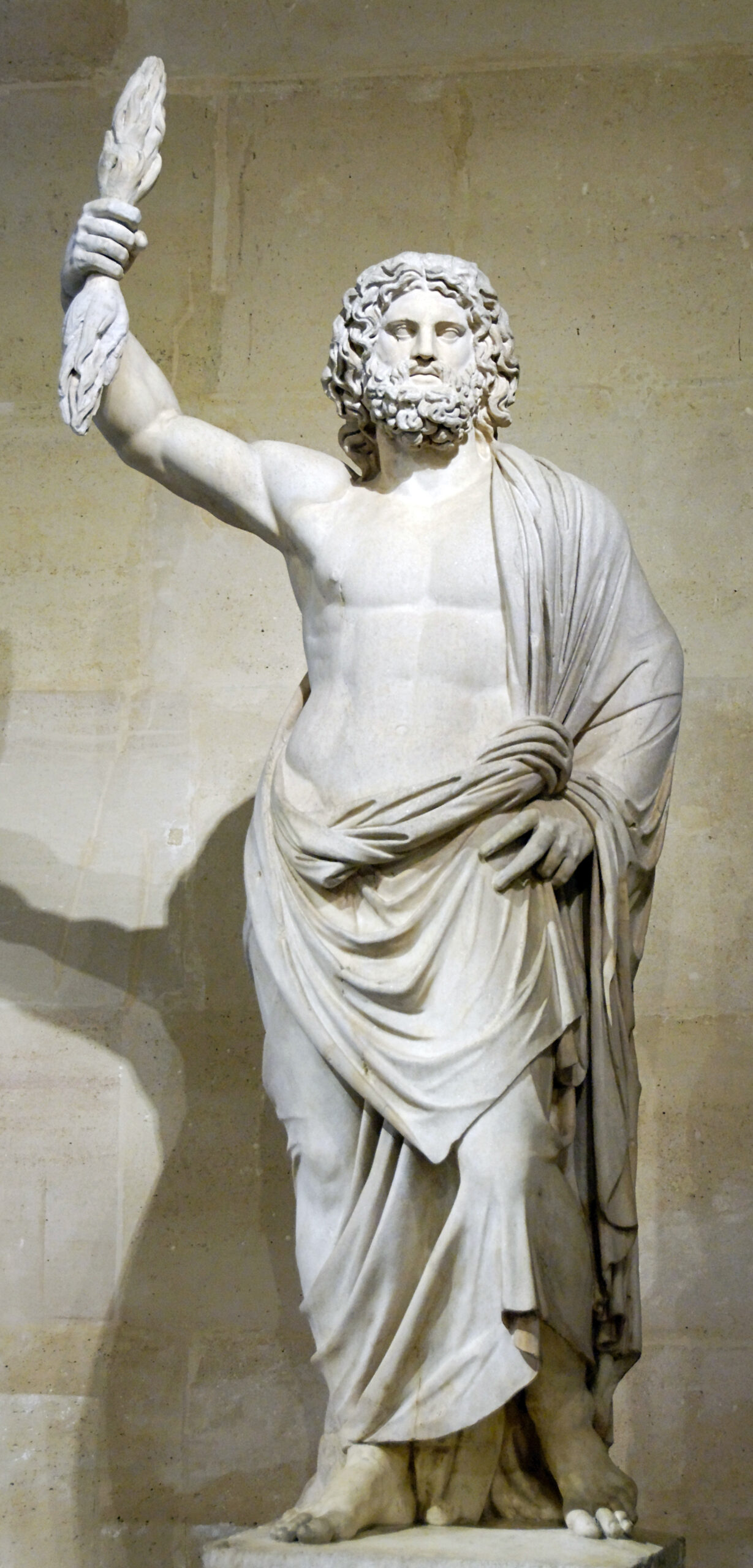
Το Δίον, που βρίσκεται στους βόρειους πρόποδες του Ολύμπου, αποτέλεσε έναν από τους σημαντικότερους θρησκευτικούς και πολιτικούς τόπους της αρχαίας Μακεδονίας. Η στρατηγική του θέση, κοντά στη δίοδο επικοινωνίας μεταξύ Μακεδονίας και Θεσσαλίας και στον Θερμαϊκό κόλπο, συνέβαλε στην ανάπτυξη και την ακμή του. Η πρώτη γραπτή αναφορά στην πόλη προέρχεται από τον Θουκυδίδη, ο οποίος τη μνημονεύει ως «πόλισμα» κατά την πορεία του Βρασίδα το 424 π.Χ. Καθοριστικό ρόλο στην ανάδειξή της διαδραμάτισε ο βασιλιάς Αρχέλαος Α΄, ο οποίος ίδρυσε στα τέλη του 5ου αιώνα π.Χ. τα «Ολύμπια εν Δίω», εορτές αφιερωμένες στον Δία και τις Μούσες. Το ιερό του Δία αποτέλεσε κεντρικό χώρο λατρείας των Μακεδόνων βασιλέων, ενώ ο Φίλιππος Β΄ και ο Αλέξανδρος ο Μέγας συνδέθηκαν στενά με τις τελετουργίες και τις αφιερώσεις της πόλης. Κατά τους ελληνιστικούς και ρωμαϊκούς χρόνους το Δίον γνώρισε σημαντική ακμή, ενώ η ίδρυση της Colonia Iulia Augusta Diensis ενίσχυσε τη ρωμαϊκή παρουσία χωρίς να διακόψει την ελληνική πολιτισμική συνέχεια. Στην παλαιοχριστιανική περίοδο διατήρησε διοικητική και εκκλησιαστική σημασία, αλλά η παρακμή του επήλθε λόγω φυσικών καταστροφών και επιδρομών. Οι ανασκαφές από το 1928 αποκάλυψαν σημαντικά μνημεία, καθιστώντας το Δίον πολύτιμη πηγή για τη μελέτη της θρησκευτικής, πολιτικής και πολιτιστικής ιστορίας της αρχαίας Μακεδονίας.
[Πηγές: odysseus.culture.gr, dion-olympos.gr, dion-excavation.web.auth.gr]
DION
Dion, located on the northern foothills of Mount Olympus, was one of the most important religious and political centers of ancient Macedonia. Its strategic location, near the route connecting Macedonia with Thessaly and the Thermaic Gulf, contributed significantly to its development and prosperity. The first written reference to the city appears in the work of Thucydides, who mentions it as a “settlement” during Brasidas’s campaign in 424 B.C. King Archelaus I played a decisive role in its rise to prominence; in the late 5th century B.C., he established the “Olympia in Dion,” festivals dedicated to Zeus and the Muses. The sanctuary of Zeus served as a central place of worship for the Macedonian kings, while Philip II and Alexander the Great were closely connected with the city’s religious ceremonies and dedications. During the Hellenistic and Roman periods, Dion experienced a period of significant prosperity, and the establishment of Colonia Iulia Augusta Diensis strengthened the Roman presence without disrupting the continuity of Greek culture. During the early Christian period, Dion retained its administrative and ecclesiastical importance, but its decline was caused by natural disasters and invasions. Excavations that began in 1928 have revealed significant monuments, making Dion an invaluable source for the study of the religious, political, and cultural history of ancient Macedonia.