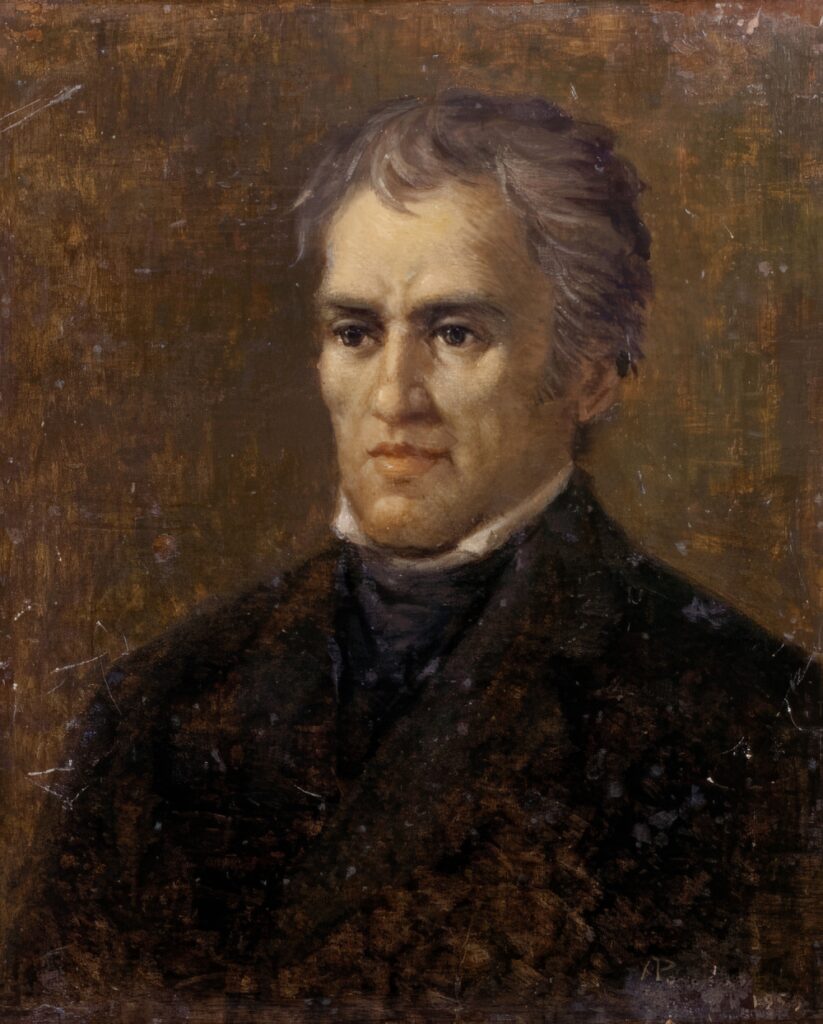
ΑΝΔΡΕΑΣ ΚΑΛΒΟΣ
Ο Ανδρέας Κάλβος (1792–1869) ήταν ένας από τους σημαντικότερους Έλληνες ποιητές του 19ου αιώνα. Γεννήθηκε στη Ζάκυνθο, αλλά σε μικρή ηλικία εγκαταστάθηκε με τον πατέρα και τον αδελφό του στο Λιβόρνο της Ιταλίας. Εκεί απέκτησε κλασική παιδεία και σπούδασε στην Πίζα και τη Φλωρεντία. Σημαντική επιρροή στη ζωή και το έργο του άσκησε ο ποιητής Ούγκο Φόσκολο, ο οποίος διαμόρφωσε τις φιλελεύθερες ιδέες και την ποιητική του έκφραση. Αρχικά έγραφε στα ιταλικά, όμως αργότερα στράφηκε στην ελληνική γλώσσα. Έζησε σε πολλές ευρωπαϊκές πόλεις, όπως η Γενεύη και το Λονδίνο, όπου ανέπτυξε έντονη πνευματική και φιλελληνική δράση. Με τις περίφημες «Ωδές» του εξέφρασε την αγάπη του για την ελευθερία και στήριξε τον Αγώνα της Ελληνικής Επανάστασης. Το 1826 εγκαταστάθηκε στην Κέρκυρα, όπου δίδαξε φιλοσοφία και εργάστηκε ως παιδαγωγός και αρθρογράφος. Από το 1852 έζησε μόνιμα στην Αγγλία, όπου πέθανε το 1869. Το έργο του αποτελεί σημαντικό σταθμό της νεοελληνικής λογοτεχνίας και παραμένει σύμβολο πατριωτισμού και υψηλών ιδανικών.
ᾨδὴ Πρώτη. Ὁ Φιλόπατρις
α´.
Ὦ φιλτάτη πατρίς,
ὦ θαυμασία νῆσος,
Ζάκυνθε· σὺ μοῦ ἔδωκας
τὴν πνοήν, καὶ τοῦ Ἀπόλλωνος
τὰ χρυσὰ δῶρα!
β´.
Καὶ σὺ τὸν ὕμνον δέξου·
ἐχθαίρουσιν οἱ Ἀθάνατοι
τὴν ψυχήν, καὶ βροντάουσιν
ἐπὶ τὰς κεφαλὰς
τῶν ἀχαρίστων.
γ´.
Ποτὲ δὲν σὲ ἐλησμόνησα,
ποτέ· – Καὶ ἡ τύχη μ᾿ ἔρριψε
μακρὰ ἀπόσε· μὲ εἶδε
τὸ πέμπτον τοῦ αἰῶνος
εἰς ξένα ἔθνη.
[ΠΗΓΗ: www.capodistriasmuseum.gr, www.lifo.gr]
ANDREAS KALVOS
Andreas Kalvos (1792–1869) was one of the most important Greek poets of the 19th century. He was born on the island of Zakynthos, but at a young age he moved with his father and brother to Livorno, Italy. There, he received a classical education and studied in Pisa and Florence. A major influence on his life and work was the poet Ugo Foscolo, who shaped both his liberal ideas and his poetic style. At first, Kalvos wrote in Italian, but he later turned to the Greek language. He lived in several European cities, including Geneva and London, where he developed an active intellectual life and supported the Greek cause for independence. Through his famous Odes, he expressed his love of freedom and his support for the Greek War of Independence. In 1826, he settled in Corfu, where he taught philosophy and worked as a tutor and newspaper writer. From 1852 onward, he lived permanently in England, where he died in 1869. His literary work is considered a landmark of modern Greek literature and remains a symbol of patriotism, freedom, and noble ideals.
Ode I: The Patriot
I
O dearest homeland,
O wondrous island,
Zakynthos; you gave me
the breath of life, and Apollo’s
golden gifts!
II
Receive this hymn as well;
the Immortals despise
the ungrateful soul, and they thunder
upon the heads
of the thankless.
III
Never have I forgotten you,
never; though fate cast me
far away from you. It saw me,
in the fifth decade of my life,
among foreign nations.