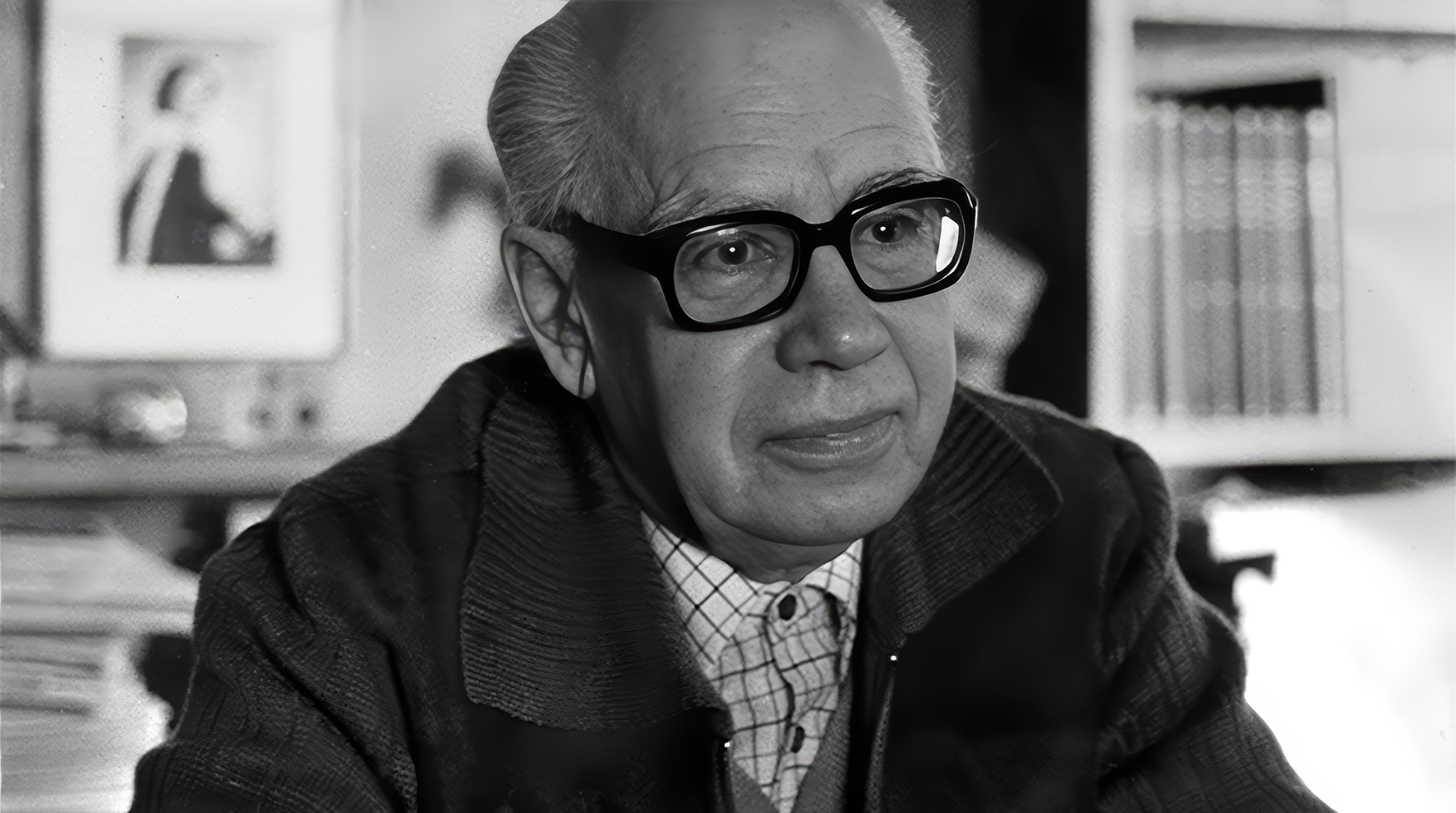
ΓΕΩΡΓΙΟΣ Θ. ΒΑΦΟΠΟΥΛΟΣ
Ο Γεώργιος Θ. Βαφόπουλος (1903–1996) ήταν Έλληνας ποιητής και λόγιος, με καταγωγή από τη Γευγελή και στενή σύνδεση με τη Θεσσαλονίκη, όπου έζησε και έδρασε το μεγαλύτερο μέρος της ζωής του. Τα παιδικά του χρόνια σημαδεύτηκαν από τον ξεριζωμό της οικογένειάς του μετά τους Βαλκανικούς Πολέμους. Σπούδασε για λίγο Μαθηματικά στην Αθήνα, αλλά λόγω ασθένειας επέστρεψε στη Θεσσαλονίκη, η οποία έγινε το μόνιμο πνευματικό του κέντρο. Από νωρίς στράφηκε στη λογοτεχνία και συνδέθηκε με σημαντικές μορφές των γραμμάτων, όπως ο Παλαμάς και ο Ξενόπουλος.
Εργάστηκε επί δεκαετίες στον Δήμο Θεσσαλονίκης και υπήρξε ιδρυτής και διευθυντής της Δημοτικής Βιβλιοθήκης, ενώ συμμετείχε ενεργά στη λογοτεχνική και θεατρική ζωή της πόλης. Η ποίησή του ξεκίνησε από τον νεοσυμβολισμό και την ανανεωμένη παράδοση και εξελίχθηκε σε προσωπικό ύφος, χωρίς δογματική προσχώρηση σε κινήματα. Στο έργο του αποτυπώνεται έντονα η ιστορία και η ατμόσφαιρα της Θεσσαλονίκης από την Τουρκοκρατία έως τον Β΄ Παγκόσμιο Πόλεμο. Τιμήθηκε με σημαντικά βραβεία, ενώ κορυφαία προσφορά του υπήρξε η δωρεά της περιουσίας του για την ίδρυση του Βαφοπούλειου Πνευματικού Κέντρου, που αποτελεί έως σήμερα ζωντανό πυρήνα πολιτισμού της πόλης.
«Αν ήσουν η νύχτα, σε ώρες, που όλες ίδιες είναι,
θα μπορούσες να ιδείς κι’ αγάλματα που δεν κινούνται∙
πορτραίτα που δεν ανασαίνουν∙ παρτιτούρες
βουβές και βιβλία απ’ την αρχή τους κοιμισμένα.
Είναι γιατί το μάρμαρο κι οι μπογιές δεν έχουν κίνηση.
Γιατί το χαρτί κι η μελάνη δεν μπορούν να τραγουδήσουν.»
«Αν ήσουν νύχτα»
[ΠΗΓΗ: www.archive.ert.gr]
GEORGE TH. VAFOPOULOS
George Th. Vafopoulos (1903–1996) was a Greek poet and scholar, originally from Gevgelija and closely associated with Thessaloniki, where he lived and worked for most of his life. His childhood was marked by the uprooting of his family after the Balkan Wars. He studied Mathematics for a while in Athens, but due to illness he returned to Thessaloniki, which became his permanent intellectual center. From an early age he turned to literature and was associated with important figures of letters, such as Palamas and Xenopoulos. He worked for decades in the Municipality of Thessaloniki and was the founder and director of the Municipal Library, while he actively participated in the literary and theatrical life of the city. His poetry began with neo-symbolism and the renewed tradition and evolved into a personal style, without dogmatic adherence to movements. His work vividly captures the history and atmosphere of Thessaloniki from the Ottoman Empire to World War II. He was honored with important awards, while his greatest contribution was the donation of his estate for the establishment of the Vafopouleio Cultural Center, which to this day constitutes a living core of the city’s culture.
“If you were the night, in hours that are all the same,
you could also see statues that do not move;
portraits that do not breathe;
mute musical scores and books that have been asleep since their beginning.
It is because marble and paints do not move.
Because paper and ink cannot sing.”
“If you were night”