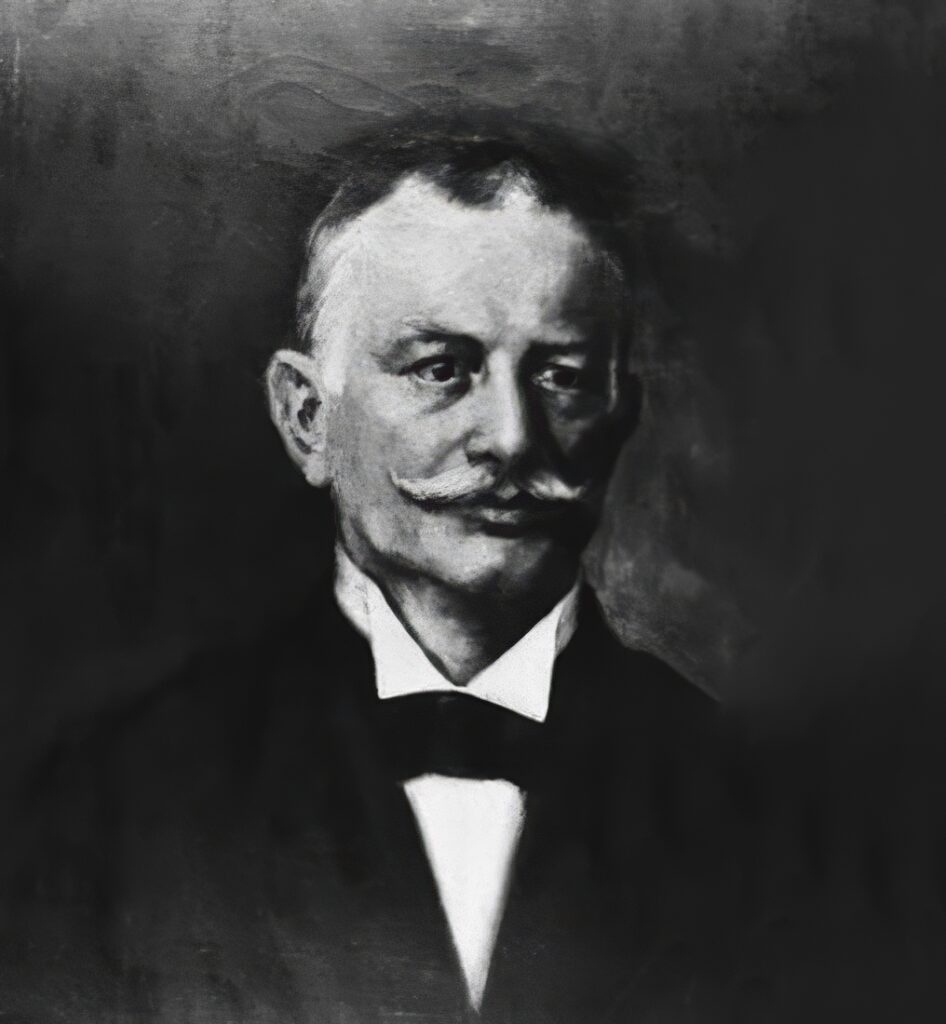
ΙΩΑΝΝΗΣ ΖΩΓΡΑΦΟΣ
Ο Ιωάννης Ζωγράφος (1844–1927) γεννήθηκε στα Καλάβρυτα και συγκαταλέγεται στις σημαντικές προσωπικότητες της ελληνικής νομικής, οικονομικής και πολιτικής ζωής των τελευταίων δεκαετιών του 19ου και των αρχών του 20ού αιώνα. Μετά την ολοκλήρωση των εγκύκλιων σπουδών του στο Α΄ Γυμνάσιο Πατρών, εισήχθη το 1862 στη Νομική Σχολή του Οθώνειου Πανεπιστημίου Αθηνών και συνέχισε τις σπουδές του στο Πανεπιστήμιο της Χαϊδελβέργης, όπου αναγορεύθηκε διδάκτωρ Νομικής το 1867. Με την επιστροφή του στην Ελλάδα ανέπτυξε αξιόλογη ακαδημαϊκή και διοικητική σταδιοδρομία, υπηρετώντας ως υφηγητής και έκτακτος καθηγητής της Νομικής Σχολής, γενικός γραμματέας του Πανεπιστημίου Αθηνών και του Υπουργείου Οικονομικών, καθώς και ως βουλευτής, επίτροπος Επικρατείας στο Ελεγκτικό Συνέδριο και σύμβουλος τραπεζικών και βιομηχανικών οργανισμών. Παράλληλα, το συγγραφικό του έργο, με κορυφαίο παράδειγμα τις οκτάτομες Μελέτες επί της εν Ελλάδι δημοσιονομικής πολιτικής, συνέβαλε ουσιαστικά στη διαμόρφωση της ελληνικής οικονομικής σκέψης. Το 1902 προχώρησε στην αγορά εκτεταμένης έκτασης περίπου 1.250 στρεμμάτων στην ανατολική Αθήνα, οργανώνοντας την πολεοδόμησή της και τη διάθεση των οικοπέδων με σύστημα μηνιαίων δόσεων. Η πρωτοβουλία αυτή αποτέλεσε τη βάση για τη δημιουργία της συνοικίας, και μετέπειτα του Δήμου, Ζωγράφου, συνδέοντας το όνομά του με την οικιστική ανάπτυξη της πρωτεύουσας.
[Πηγές: ergasthrioistorias.arch.uoa.gr, kalavrytanews.com]
IOANNIS ZOGRAFOS
Ioannis Zografos (1844–1927) was born in Kalavryta and is considered one of the leading figures in Greek legal, economic, and political life during the late 19th and early 20th centuries. After completing his secondary education at the First Gymnasium of Patras, he was admitted in 1862 to the Law School of the Othonian University of Athens and continued his studies at the University of Heidelberg, where he received his doctorate in law in 1867.Upon his return to Greece, he pursued a distinguished academic and administrative career, serving as an assistant professor and associate professor at the Law School, secretary-general of the University of Athens and the Ministry of Finance, as well as a member of parliament, State Commissioner at the Court of Auditors, and advisor to banking and industrial organizations. At the same time, his writings—most notably his eight-volume work Studies on Fiscal Policy in Greece—made a substantial contribution to the development of Greek economic thought. In 1902, he purchased a large tract of land—approximately 1,250 stremmata—in eastern Athens, organizing its urban planning and the sale of plots through a system of monthly installments. This initiative laid the foundation for the creation of the Zografou neighborhood—and later the Municipality of Zografou—linking his name to the urban development of the capital.