ΧΑΛΚΗ
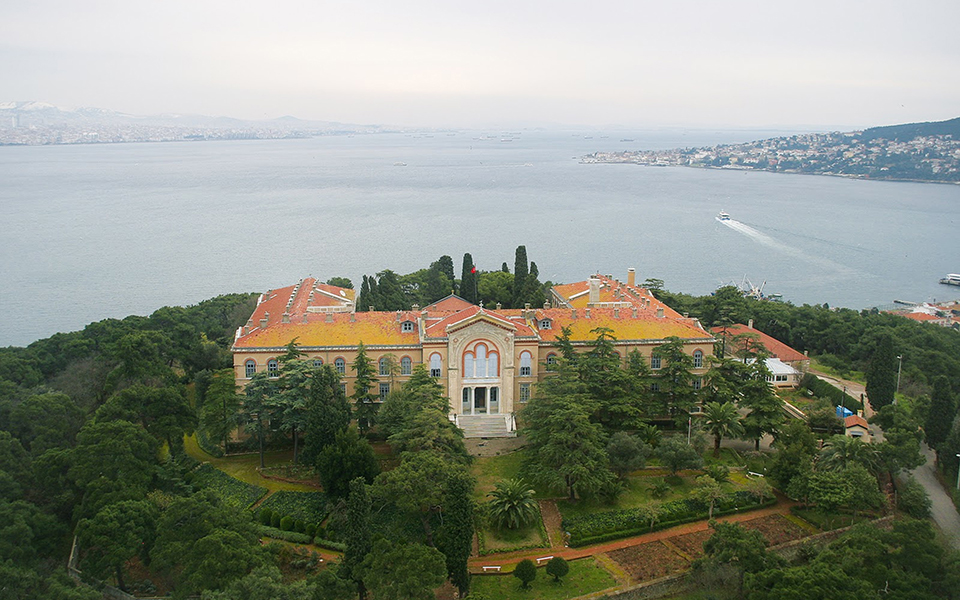
Η οδός οφείλει την ονομασία της στην ιστορική νήσο Χάλκη, μικρό νησί της Προποντίδας που ανήκει στο σύμπλεγμα των Πριγκιποννήσων. Η Χάλκη είναι ονομαστή από την ομώνυμη σημαντική Θεολογική Σχολή που βρίσκεται εκεί. Η Ιερά Θεολογική Σχολή της Χάλκης ιδρύθηκε το 1844 από τον Οικουμενικό Πατριάρχη Γερμανό Δ΄ με σκοπό την εκπαίδευση του ορθόδοξου κλήρου και την προαγωγή της θεολογικής επιστήμης. Λειτουργεί στον χώρο της ιστορικής Μονής της Αγίας Τριάδας, η οποία ανακαινίστηκε και ανοικοδομήθηκε μετά τον καταστροφικό σεισμό του 1894 χάρη στη δωρεά του Παύλου Σκυλίτση. Για περισσότερα από 125 χρόνια αποτέλεσε ένα από τα σημαντικότερα θεολογικά ιδρύματα της Ορθοδοξίας, εκπαιδεύοντας πατριάρχες, ιεράρχες και θεολόγους από πολλές χώρες. Το 1971 η λειτουργία της ανεστάλη με απόφαση της τουρκικής κυβέρνησης, χωρίς να έχει επαναλειτουργήσει έως σήμερα. Παρά την αναστολή της εκπαιδευτικής της δραστηριότητας, η Σχολή παραμένει σημαντικό πνευματικό και ιστορικό κέντρο του Οικουμενικού Πατριαρχείου, φιλοξενώντας προσκυνητές, επιστημονικά συνέδρια και διεθνείς εκδηλώσεις, ενώ η πλούσια βιβλιοθήκη της συγκαταλέγεται στις σημαντικότερες θεολογικές συλλογές παγκοσμίως.
[ΠΗΓΗ: Ec-petr.org]
CHALKI
The street is named after the historic island of Halki, one of the Princes’ Islands in the Sea of Marmara. Halki is renowned as the home of the Holy Theological School of Halki, one of the most distinguished institutions of Orthodox theological education. The Holy Theological School of Halki was founded in 1844 by Ecumenical Patriarch Germanos IV to educate the Orthodox clergy and advance theological scholarship. It is located within the historic Monastery of the Holy Trinity, which was rebuilt after the devastating earthquake of 1894 through the generosity of the benefactor Pavlos Skylitsis. For more than 125 years, the School was one of the foremost theological institutions of the Orthodox world, educating patriarchs, bishops, and theologians from many countries. In 1971, the School was forced to suspend its educational activities following a decision by the Turkish government, and it has remained closed ever since. Despite this, it continues to serve as an important spiritual and historical centre of the Ecumenical Patriarchate, welcoming pilgrims and hosting academic conferences and international events. Its renowned library is considered one of the world’s richest collections of theological books and manuscripts.