ΕΛΛΗΣΠΟΝΤΟΣ
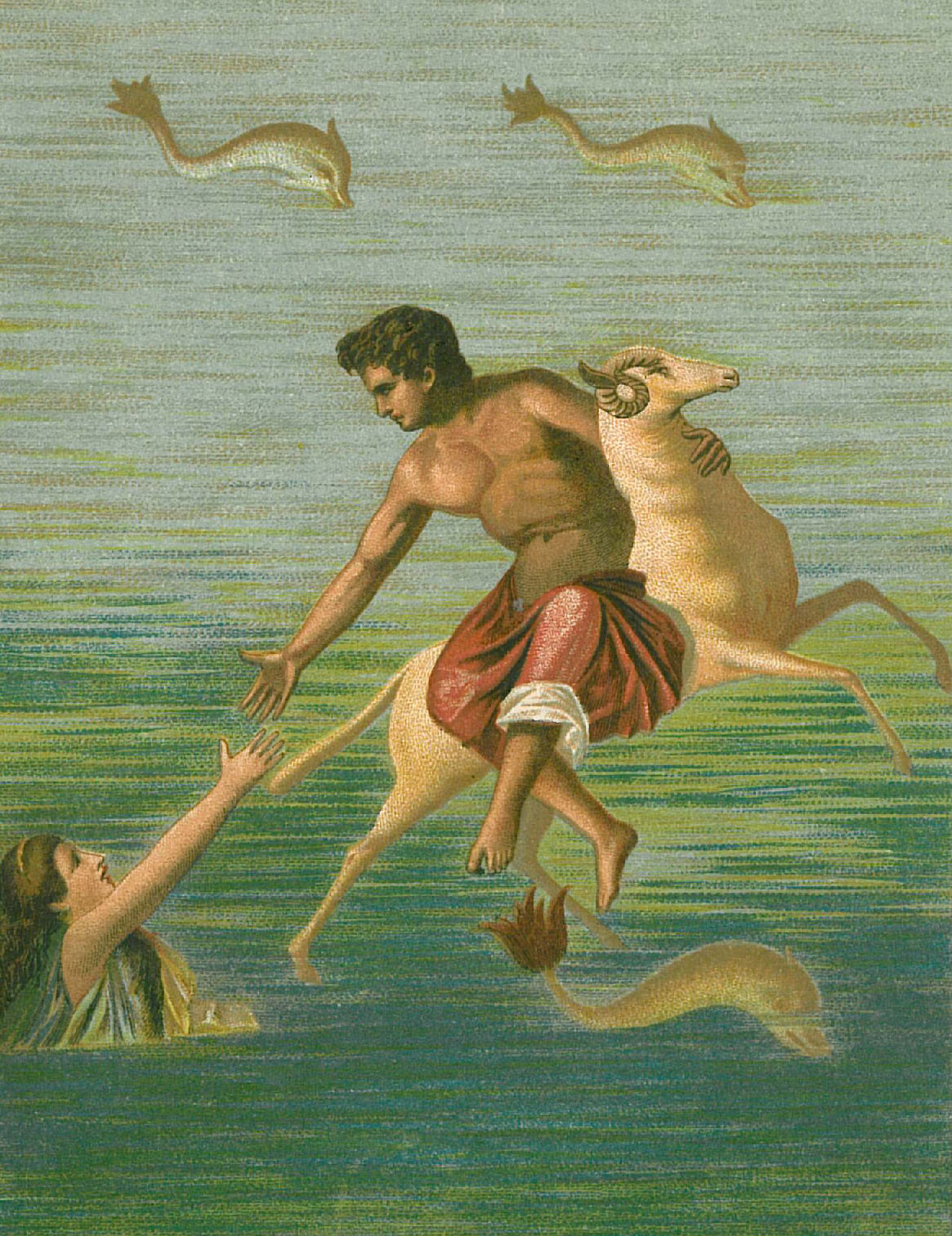
Ο Ελλήσποντος κατέχει ξεχωριστή θέση στην ελληνική μυθολογία, καθώς υπήρξε πέρασμα που συνέδεε το Αιγαίο με τη Μαύρη Θάλασσα και τόπος σημαντικών θρύλων. Το όνομά του προέρχεται από την Έλλη, η οποία έπεσε στα νερά του κατά τη φυγή της πάνω στο χρυσόμαλλο κριάρι. Στην περιοχή συνδέεται επίσης ο μύθος της Εκάβης, της βασίλισσας της Τροίας, που σύμφωνα με την παράδοση μεταμορφώθηκε σε σκύλο, δίνοντας το όνομά της στο Κυνός Σήμα. Τέλος, ο Πρωτεσίλαος, ο πρώτος Έλληνας που σκοτώθηκε στον Τρωικό Πόλεμο, τιμήθηκε ως ήρωας και προστάτης της εισόδου του Ελλήσποντου.
Εκτός από τη σημαντική θέση που κατέχει στη μυθολογία, ο Ελλήσποντος υπήρξε διαχρονικά μία από τις σημαντικότερες θαλάσσιες αρτηρίες του κόσμου. Η στρατηγική του θέση, ως φυσικό πέρασμα μεταξύ Ευρώπης και Ασίας, τον κατέστησε επί αιώνες αντικείμενο διεκδικήσεων από ισχυρές δυνάμεις της Ανατολής και της Δύσης. Η Καλλίπολη εξελίχθηκε σε σημαντικό ναυτικό και εμπορικό κέντρο, ενώ τα φρούρια και τα λιμάνια των Στενών αποτυπώθηκαν σε πλήθος χαρτών και ταξιδιωτικών έργων από τον 16ο έως τον 19ο αιώνα, αναδεικνύοντας τη διαρκή γεωπολιτική και οικονομική σημασία της περιοχής.
[ΠΗΓΕΣ: www.apan.gr, el.travelogues.gr]
ELLISPONTOS
The Hellespont holds a special place in Greek mythology, as it was the strait connecting the Aegean Sea with the Black Sea and the setting for many important legends. Its name derives from Helle, who, according to myth, fell into its waters while fleeing on the golden ram carrying the Golden Fleece. The area is also associated with the myth of Hecuba, the queen of Troy, who, according to tradition, was transformed into a dog, giving rise to the landmark known as Kynos Sema (“the Dog’s Tomb”). Finally, Protesilaus, the first Greek warrior to be killed in the Trojan War, was honored as a hero and regarded as the protector of the entrance to the Hellespont.
Beyond mythology, however, the Hellespont has long been one of the world’s most important maritime passages. Its strategic location as a natural gateway between Europe and Asia made it the focus of rivalry among the major powers of both East and West for centuries. Callipolis (modern Gallipoli) developed into an important naval and commercial center, while the fortresses and harbors along the strait were depicted in numerous maps and travel accounts from the sixteenth to the nineteenth century, highlighting the region’s enduring geopolitical, commercial, and strategic significance.