

ΠΑΝΑΘΗΝΑΙΑ
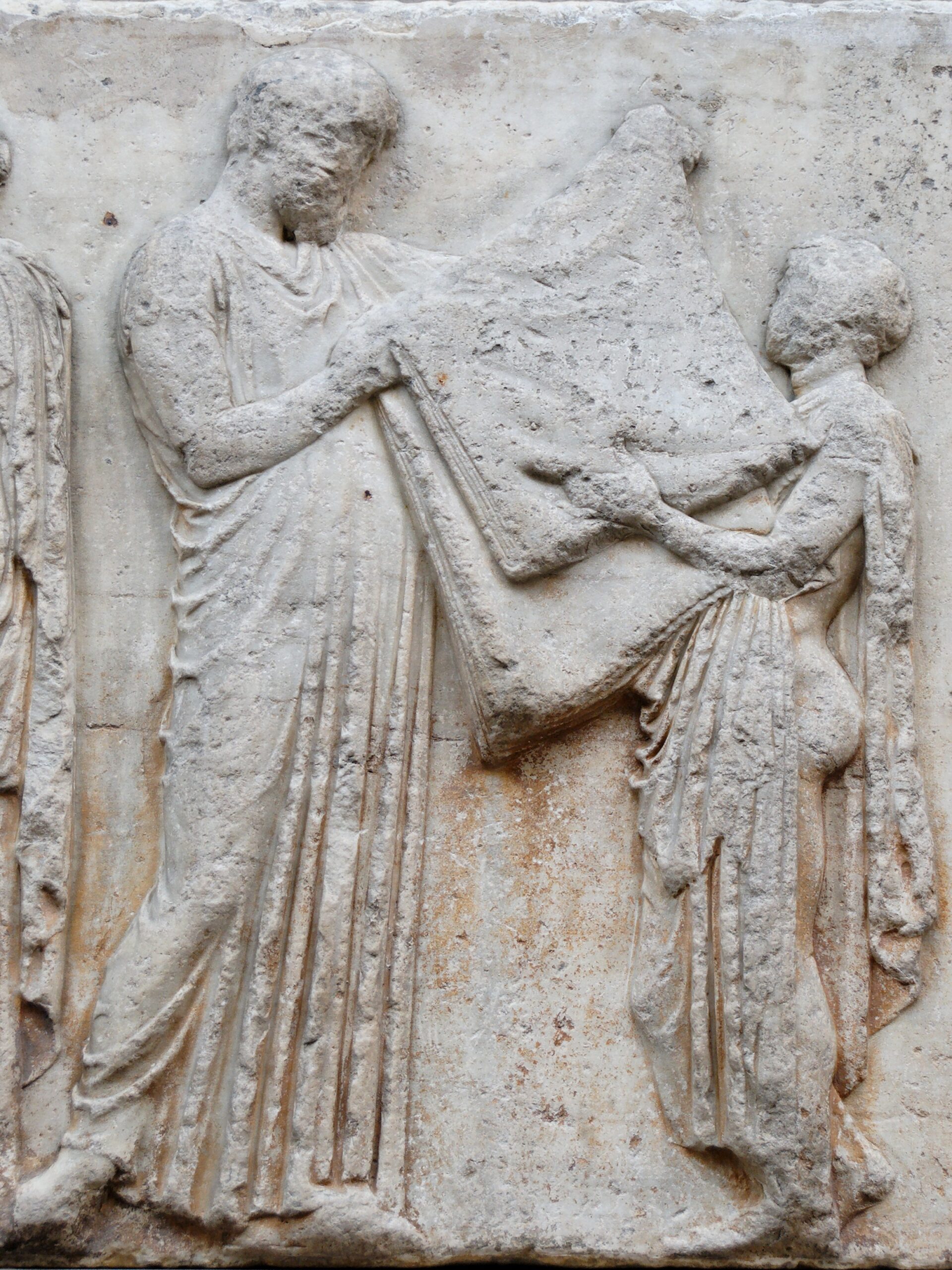
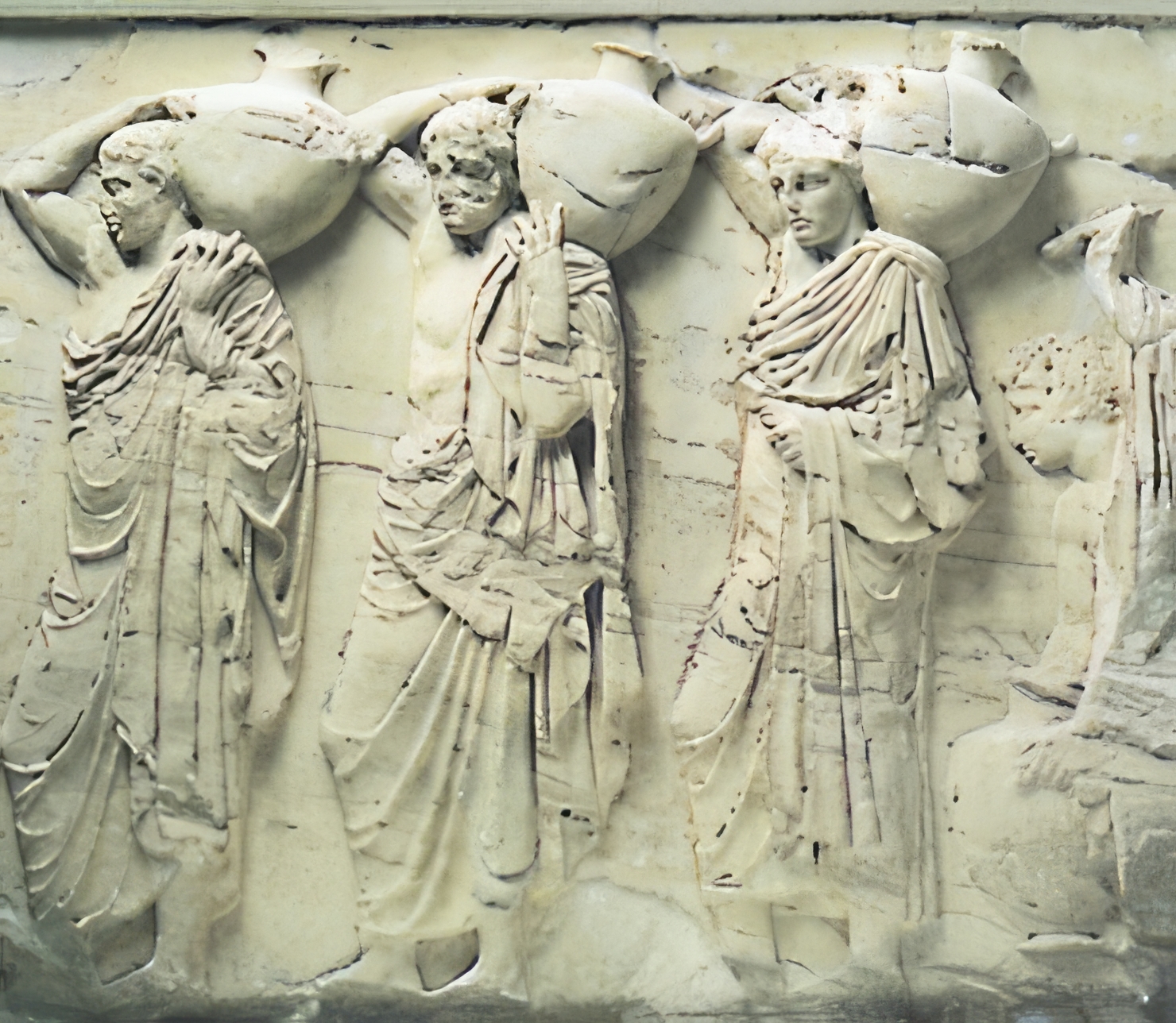
Τα Παναθήναια ήταν η σημαντικότερη γιορτή της Αθήνας, αφιερωμένη στη θεά Αθηνά. Η παράδοση αναφέρει ότι ιδρύθηκε από τον μυθικό βασιλιά Εριχθόνιο και αργότερα, μετά τον συνοικισμό της Αττικής, αναδιοργανώθηκε ως «Παναθήναια», εορταζόμενη στις 28 του μήνα Εκατομβαιώνος. Από το 566/5 π.Χ., επί άρχοντος Ιπποκλείδη, καθιερώθηκαν τα Μεγάλα Παναθήναια, τα οποία γίνονταν κάθε τέσσερα χρόνια και διήρκησαν δώδεκα ημέρες. Περιλάμβαναν θυσίες, με κορυφαία την εκατόμβη (θυσία 100 βοδιών), μουσικούς και γυμνικούς αγώνες πανελλήνιου χαρακτήρα, καθώς και τον πυρρίχιο χορό. Οι πολίτες λάμβαναν μέρος στη διανομή του κρέατος από τις θυσίες στην Αγορά, ενώ το βράδυ της παραμονής διοργανώνονταν χοροί νεαρών αγοριών και κοριτσιών. Σημαντικό στοιχείο της γιορτής ήταν η μεγάλη πομπή για τη μεταφορά του ιερού πέπλου της Αθηνάς στην Ακρόπολη, το οποίο υφαίνονταν από Αθηναίες παρθένες υπό την επίβλεψη της ιέρειας της θεάς και παραδιδόταν στους ιερείς για να ντύσουν το άγαλμά της. Στην πομπή συμμετείχαν γυναίκες με καλάθια, ηλικιωμένοι με κλαδιά ελιάς, νέοι έφιπποι, και γυναίκες με υδρίες, ενώ ακολουθούσαν τα ζώα προορισμένα για τις θυσίες. Η πομπή των Μεγάλων Παναθηναίων απεικονίζεται πιθανότατα στη ζωφόρο του Παρθενώνα.
[ΠΗΓΗ: Ίδρυμα Μείζονος Ελληνισμού]
PANATHENAEA
The Panathenaea was the most important festival in Athens, dedicated to the goddess Athena. According to tradition, it was founded by the mythical king Erichthonius and later, following the unification of Attica, reorganized as the Panathenaia, celebrated on the 28th of the month Hekatombaion. From 566/5 BCE, during the archonship of Hippocleides, the Great Panathenaea was established, taking place every four years and lasted twelve days. The festival included sacrifices—with the hecatomb (sacrifice of 100 oxen) being the most prominent—musical and gymnastic competitions of pan-Hellenic scope, and the pyrrhic dance. Citizens participated in the distribution of the sacrificial meat in the Agora, while on the eve of the festival, dances of young boys and girls were organized. A central feature of the celebration was the grand procession transporting Athena’s sacred peplos to the Acropolis. The peplos, woven by Athenian virgins under the supervision of the goddess’s priestess, was delivered to the priests to dress the statue of Athena. The procession included women carrying baskets, elders with olive branches, young horsemen, and women bearing water jars, followed by the sacrificial animals. The Great Panathenaic procession is likely depicted on the Parthenon frieze.